

The use case we can use to fix this is the hypertext conference project. The conference needs to import 1000 papers. The current facilities for documents and subdocuments won't work from either a UX or technical standpoint.
Users are still confused about understanding directories, document hierarchies, and where to create content.
Obsidian uses Folders for Document Hierarchies and Bases to visualize document connections.
Notion uses a mix of subdocuments and databases, but without Folders because documents are directories too.
Google Docs uses a mix of Folders with Drive and Subdocuments inside Google Docs itself.
Roam Research doesn't have document hierarchies. Information is structured through links and attributes.
The Wikipedia Case
Wikipedia is a landing page to the Wikipedia Repository. The homepage main goal must make the new comer understand the repository structure.
Search is a main functionality. Search Results Page can be access from the home, explorer or every search box.
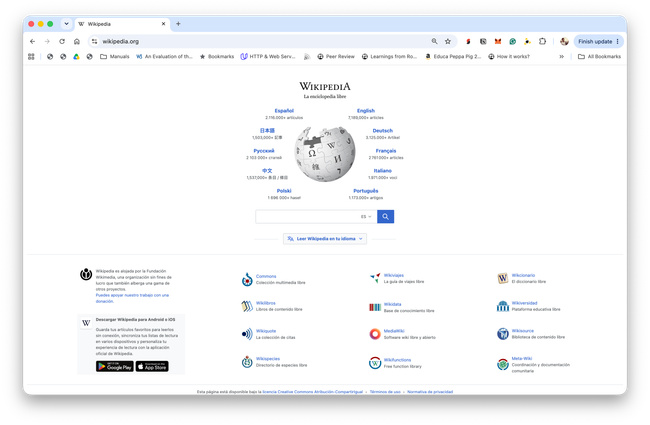
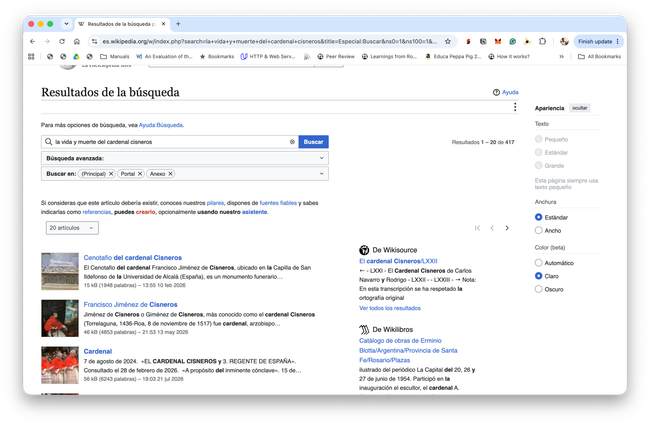
Some Ideas
The Home should not simply be a home document or a separate explorer. It should be the main entry point to the Space’s knowledge base, combining navigation, search, queries, and configurable views such as list, gallery, table and other custom views.
The exact shape of the Home will depend on the type of knowledge base. The Space owners will define a home default view. Users can then create, edit, and save their own queries with custom views.
Users should always be able to access all documents, similar to Obsidian, and then progressively narrow the collection through search, filters, grouping, and structured queries.
We can explore in the fxuture users should be able to create additional sections through subspaces. For example, specialized areas for issues, user stories, projects, or thematic collections.
Do you like what you are reading? Subscribe to receive updates.
Unsubscribe anytime